





















When you’re trying to conceive, some bodily clues can make you wonder whether you're pregnant even before you miss your period. The tricky part? Premenstrual syndrome (PMS) symptoms can be very similar to early pregnancy symptoms.
Cramping is one of these frustrating signs, since it can sometimes point to PMS and other times to pregnancy or another cause. Here are some of the most common reasons why you might have cramps but no period.

Pregnancy
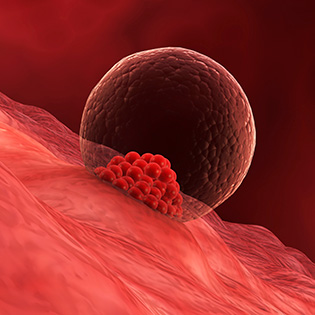
If you’ve conceived, you may notice some mild cramping early on that’s similar to menstrual cramps. Luckily, these early pregnancy cramps, which may occur in the lower abdomen or lower back, are often mild and short-lived. You may even experience light spotting or pink discharge early in pregnancy when the embryo implants in the uterus.
"The cramps always felt the same as period cramps for each of my pregnancies," says What to Expect Community mom mamakenn22.
Community member lovemomlife02 agrees: "When I found out I was pregnant, I had period-like cramps like I was going to start any second. You really can't tell a difference."
Cramping can also be a sign of miscarriage, but it would likely feel more severe than what you’d notice during early pregnancy. And these cramps would come with heavier bleeding marked by larger blood clots than seen in a typical period.
And while it’s relatively rare, sharp or severe cramps may signal an ectopic pregnancy, which can also cause lower back pain and abnormal vaginal bleeding. Call to your doctor right away if you’re experiencing intense cramping and bleeding or just want some reassurance.
Ovulation
Sometimes called “mittelschmerz” (German for "middle pain"), ovulation pain can feel like a mild twinge or mild cramping when the ovary releases an egg. It’s usually felt in the lower abdomen or pelvis, either in the middle or on one side.
"Ovulation pain is such a distinct feeling," says What to Expect Community member BByda. "I always know when it's happening (paired with other signs — increased libido, etc.), so I've learned to listen to my body."
Along with cramps and possibly nausea, you might also see some light spotting or pink discharge, caused by the “bursting” of your egg from the follicle.
While 40% of reproductive-age women experience ovulation pain, many never notice it at all.
Keep track of your symptoms, get expert advice, and connect with others who share similar questions in the What to Expect app.
Ovarian cysts
These small fluid- or tissue-filled sacs form on or near an ovary. Most ovarian cysts are harmless and not terribly painful — and some even go away on their own. In fact, you may not realize you have one until it’s discovered during a pelvic exam or imaging tests.
When symptoms do occur, they can include abdominal pain, bloating, painful sex, unusual weight gain or loss, or changes in bowel movements or urination.
Endometriosis
Endometrial tissue normally lines the uterus, but with endometriosis, similar tissue grows outside the uterus. This tissue can cause inflammation, pain, and cramping that may start before your period and last several days into it.
Other symptoms include lower back or abdominal pain, along with painful intercourse, painful bowel movements or urination, and heavy bleeding during periods and between them.
Pelvic inflammatory disease (PID)
Pelvic inflammatory disease is a common infection of the reproductive organs that affects more than a million women every year. It’s often caused by untreated sexually transmitted diseases (STDs) like gonorrhea or chlamydia, though it can also result from non-STD infections such as bacterial vaginosis.
Some women with PID don’t notice any symptoms or have only mild discomfort. Others may have cramping, abnormal vaginal discharge, unusual menstrual bleeding, painful urination, nausea, fever, chills, and pain during sex.
Urinary tract infection (UTI)
A urinary tract infection affects parts of the urinary system, including the bladder, urethra, or kidneys. Women are more likely to develop UTIs, and pelvic pain or cramping can be one symptom.
Other symptoms might include frequent urination, burning or pain while peeing, and possibly blood in the urine can also point to a UTI.
What to Expect Community member lemaen describes her UTI symptoms: "I feel like if it's gone on a little while untreated, you can get cramps, irritation during urination, bladder not feeling completely empty, or barely going at all when you feel the urge."
Irritable bowel syndrome (IBS)
This common disorder affects up to 20% of Americans and is more common in women and people under age 50. The constellation of IBS symptoms includes abdominal cramping, bloating, gas, diarrhea, and constipation.
You may also spot mucus in your stool, feel overly full or nauseous after eating a normal meal, or find that symptoms worsen around your menstrual cycle.
There’s no known cause or cure, but treatment can help manage symptoms.
When to talk to your doctor about cramping
If you're worried about cramping, pelvic pain, or discomfort in your abdomen or back at any point in your menstrual cycle or while you’re pregnant, check in with your doctor. And make an immediate call to your health care provider if you experience severe or persistent pain or intense cramping with bleeding, fever, or unusual discharge.
While cramps may ultimately turn out to be routine PMS, understanding what's behind them can help you get the care you need — and maybe even point you toward your next step on the path to pregnancy.
 Yes
 No


