



























Migraines during pregnancy are often triggered by hormonal changes, along with common pregnancy challenges like fatigue, stress, and low blood sugar. Reducing stress, avoiding triggers, and getting regular exercise and enough sleep can help prevent them. Relaxation techniques, cold or hot compresses, and (with your health care practitioner's okay) acetaminophen may help relieve the pain.
Here's what to know about migraines during pregnancy, including what causes them, how to prevent them, and safe ways to find relief.

What does a migraine feel like?
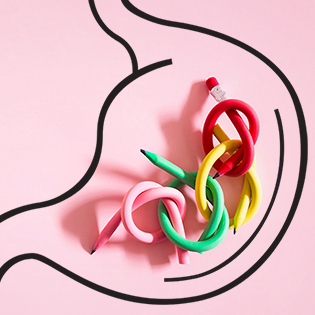
Migraines aren't your typical headache. This severe, throbbing pain can affect one or both sides of your head and last for hours or even days. Sometimes, migraines are preceded or accompanied by aura — neurological symptoms that include blurred vision, flashes of light, numbness, or tingling in your arm, leg, or face.[1]
To top it off, migraines with or without auras can make you feel nauseated beyond your typical morning sickness and leave you feeling even more fatigued, dizzy, and sensitive to light and sound.
"Light sensitivity, noise sensitivity, nausea, dizziness, vomiting, and lightheadedness are all symptoms I have had with my migraines throughout pregnancy," says What to Expect Community mom 818326.
What causes pregnancy migraines?
Blame your fluctuating pregnancy hormones, plus all those other pregnancy-related triggers you're experiencing, including:
- Fatigue
- Tension
- Drops in blood sugar
- Stress
- Nasal congestion
- Overheating
Many women have migraines for the first time when they're expecting, while others — including women with a history of migraines — get them more often.
"Never used to get migraines, but I am 15 weeks and have had a migraine for 24 hours," says Community member typeAmommy.
"I suffered from migraines before pregnancy, and pregnancy only made them happen more frequently and with more intensity," says Community member TinyHumanTamer34.
That said, some women who have a history of menstrual migraines actually get them less often during pregnancy, particularly during the second and third trimesters. That's because their migraines are likely caused by the drop in estrogen that occurs just before menstruation. During pregnancy, estrogen levels remain consistently high.
Are migraines during pregnancy a sign of a boy or girl?
Have you read that having more migraines means you're more likely to be carrying a boy? Unfortunately, there isn't a reliable study to back that superstition. So while it's a fun note to add to your list of signals of your baby's sex, don't bank on it until you get the results from your NIPT or level 2 ultrasound.
How can I prevent migraines?
While migraines aren't always preventable, there are steps you can take to cut down on the odds and frequency of an attack:
Identify your triggers with a migraine journal
Jot down what you ate, where you were, and what you were doing just before a migraine started. Common triggers include:
- Bright lights
- Loud noises
- Excessive heat or cold
- Tobacco smoke
- Irregular eating or sleeping patterns
- Specific foods such as chocolate, cheese, artificial sweeteners, and nitrates in processed meats (though you'll want to avoid processed meats during pregnancy anyway)
Keep track of potential triggers and connect with other pregnant women who are experiencing similar challenges using our free What to Expect app.
Reduce stress as much as you can
It's easier said than done, but taking time to relax may help reduce migraines. Because stress is a common trigger, some holistic therapies — including acupuncture, biofeedback, massage, meditation, and yoga — may help prevent migraine pain.
Get enough sleep
There's no doubt that it can be hard to get adequate shuteye during pregnancy. But because sleep disturbances and fatigue can trigger migraines, try to make sleep a priority.
Exercise
Regular, pregnancy-safe aerobic exercise like walking and swimming can help reduce the frequency and severity of migraines during pregnancy. It's also good for the rest of your body and your growing baby.
Once a migraine hits, though, don't whip out your sneakers and head for the gym, because exercise can make symptoms worse.
How can I relieve a migraine during pregnancy?
Here are some ways you might be able to ease the pain of a migraine:
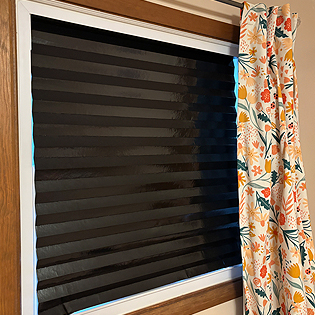
- Rest. Lie down in a quiet, dark room with a cold compress on your neck or forehead for two to three hours. With any luck, you'll fall asleep and wake up migraine-free.
- Heat or ice. "Try putting cold compresses (as cold as you can stand it) on your head and neck," recommends Community mom mtmanning12. "It really helps when my migraines start."
- Massage. "Neck and shoulder massage, rest, and sometimes a bit of coffee helps, even though I try to avoid caffeine for the most part," says Community mom aShimmeringstar.
- Relaxation techniques. You might try relaxation training, biofeedback, or cognitive behavioral therapy.
- Acetaminophen. Never take any pain medication — over-the-counter, prescription, or herbal — during pregnancy without the okay from your practitioner. The occasional use of Tylenol (acetaminophen) is considered safe. Check with your practitioner for recommendations on dosing.
- Other medications. If you relied on prescription migraine medication before becoming pregnant, you may have to avoid some of those medications until your baby arrives. However, there are multiple options available that can be used in pregnancy as needed. Your practitioner may recommend pregnancy-safe medications or refer you to a migraine specialist who can suggest additional strategies for managing your pain.
When should I see the doctor about my migraines?
Check in with your practitioner the first time you suspect you're having a migraine. Also call if an unexplained headache persists more than a few hours, returns very often, or is accompanied by a fever.
Some research shows that women who have migraines during pregnancy may also have a higher risk of hypertension, preeclampsia, and other vascular disorders. Call your practitioner right away if you have symptoms such as:
- Sudden dramatic weight gain
- Visual changes (like blurry vision, double vision, or seeing bright spots)
- Puffiness in your hands or face
- Chest discomfort
Will my migraines continue after my baby's birth?
Maybe. The many physical and lifestyle changes that happen after giving birth can increase your risk of headaches. These can include run-of-the-mill tension headaches as well as migraines.
In some cases, postpartum headaches can signal a more serious condition. These include preeclampsia, postdural puncture headache (which can occur after an epidural or spinal block), and cerebral venous thrombosis (a rare kind of stroke). Be sure to tell your practitioner about any headaches you experience after delivery so you can get the appropriate evaluation and treatment.
 Yes
 No


