










































A tubal ligation is a highly effective form of permanent birth control. After a tubal ligation, an egg can't travel down the fallopian tube, and sperm can't swim up the tubes to fertilize an egg. While very few women conceive after undergoing the procedure, "getting your tubes tied" isn't 100% effective.
For more about pregnancy after tubal ligation, including the effectiveness of the surgery and the signs of pregnancy you might spot, read on.

What is a tubal ligation?
A tubal ligation (also called a tubectomy) is a simple outpatient procedure that involves closing off the fallopian tubes to prevent eggs from traveling from your ovaries and to block sperm from reaching and fertilizing an egg. With the passage blocked, the egg is absorbed by the body (though you'll still get your period until menopause).
Can I get pregnant after tubal ligation?
It's extremely unlikely. Because it's considered a permanent procedure, tubal ligation is meant for women who are completely sure that they don't want any more children.
While you may have heard of people getting their tubectomies reversed, reversal surgery doesn't work in all cases and requires a second invasive surgery. If you're still on the fence about having more kids, you'll want to opt for another form of birth control.
"I am 100% sure I don't want more children, so the decision was easy," says What to Expect Community mom cmiketin. "If you think there is even a small chance you want more children, don't get it done."
What are the chances of pregnancy after tubal ligation?
According to the American College of Obstetricians and Gynecologists (ACOG), the chance of pregnancy after tubal sterilization is very low. Conception rates within 10 years of the procedure range from 18 to 37 out of 1,000 women, depending on how the tubes are sealed.[1]
If tubal ligation fails, it may be because scar tissue interfered with the procedure or because a new opening developed in the fallopian tubes.
"I had my tubes tied five years ago and have a 2-week-old baby," reports Community mom pregosurprise.
Wondering whether you can still get pregnant after getting your tubes tied? Download the What to Expect app for trusted guidance, real stories from other parents, and expert answers.
Are there other permanent options for birth control?
In recent years, more doctors have recommended salpingectomy, an alternative form of permanent birth control. This procedure removes the fallopian tubes entirely and can reduce the risk of ovarian cancer. It also has an even lower risk of pregnancy. Only a few exceedingly rare cases of pregnancy after salpingectomy have been reported.
Another option is a vasectomy for your partner.
Will I notice signs of the fallopian tubes growing back together?
It's unlikely that you'd notice your fallopian tubes growing back together, though in very rare cases this can happen. The process is called recanalization, which means a new passage forms in the tubes, allowing an egg and sperm to meet.
If you experience symptoms related to a tubal ligation, they're more likely to be temporary post-op side effects, including:
- Nausea
- Stomach pain
- Cramps
- Dizziness
- Gassiness or bloating
While major complications after tubal ligation are uncommon, they can occur and may include urinary tract infections or damage to nearby blood vessels.
What are the signs of pregnancy after tubal ligation?
It's rare to conceive after having your tubes tied, but it's important to know the signs of pregnancy. They're similar to the symptoms you'd experience if you hadn't had a tubal ligation, including:
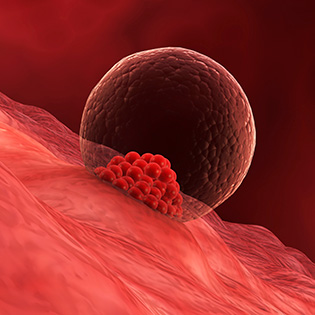
A missed period after tubal ligation warrants an immediate call to your doctor, since it's possible you could have an ectopic pregnancy. Women who've had their tubes tied are at greater risk of an ectopic pregnancy, which is when a fertilized egg implants itself outside the uterus where it can't grow properly. This condition requires immediate medical attention because it can rupture and cause severe internal bleeding if left untreated.
"I had a tubal done last year and recently found out we are pregnant," says Community member Audrianne. "Very shocked and concerned, we went to the hospital to ensure it wasn't an ectopic pregnancy. Nope, ultrasound showed babe is in the uterus and healthy!"
What are the signs of an ectopic pregnancy after tubal ligation?
If you have an ectopic pregnancy, you may notice:
- Unusual light bleeding or brown spotting after a positive pregnancy test
- Vaginal bleeding that happens when you're not expecting your period
- Sharp belly pain in the lower abdomen
- Lower back pain
When should I talk to my health care practitioner?
Contact your practitioner if you suspect you've missed a period after a tubal ligation or notice any signs of pregnancy. An ectopic pregnancy isn't viable and must be treated by your practitioner, either with medication or surgery.
A tubal ligation is almost always a surefire method for ending your pregnancy days, so talk with your doctor if you're wondering whether this surgery is right for you.
 Yes
 No


