


































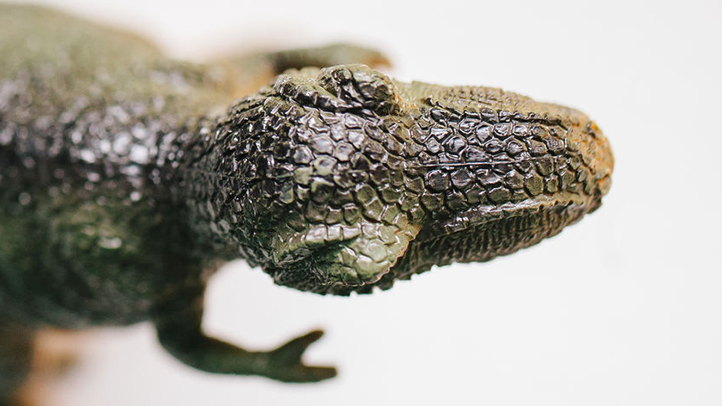

Have dryness, flakiness, and (worst of all) itchiness — especially on your face — taken over your skin during pregnancy? If you're feeling a bit reptilian these days, that's normal.
"I have had the driest skin ever the last two weeks, I mean peely, flaky arms and legs — and my skin is NEVER dry," says What to Expect Community mom crystalbakerbby. Here's why you may experience dry skin during pregnancy and what you can do to feel a bit more like yourself.

What causes dry skin during pregnancy?
If you feel like your skin has been noticeably drier lately, you can blame — you guessed it — hormones. Hormonal changes rob skin of oil and elasticity in some pregnant women, which leads to that dreaded dryness.
What you can do about dry skin during pregnancy
Add some moisture back to your skin by following these steps:
- Wash up. Cleaning your face regularly gets rid of dead skin cells that can contribute to a feeling of dryness. Try a "non-soap" cleanser like Cetaphil or Aquanil, which are less likely to irritate and dry out your skin. Avoid deodorant soaps, which contain ingredients that soak up moisture. Use soap no more than once a day (at night if you're removing makeup); otherwise rinse your face with water. Lightly pat your skin dry with a soft towel.
- Don't steam. Although it may seem to make sense, don't steam your skin — it removes your skin's natural oils, making it dry and itchy. So try to limit showers or baths to 10 minutes in lukewarm (not hot) water.[1]
- Add bath oils to your tub. Just be careful with the slippery surface you've created. (Remember, your belly can throw off your balance right now.)
- Seal it in. Apply moisturizer right after you clean your skin (including after you wash your hands) to seal in the water before it has a chance to escape, especially in cold or windy weather. Reapply frequently throughout the day and again before turning in at night.
- Go fragrance-free. Most dry skin is also sensitive skin — especially when you're expecting — so it's best to avoid potentially harsh fragrances. Be sure the label says "fragrance-free," since "unscented" products sometimes have added fragrance to mask unpleasant smells from certain ingredients. Try coconut oil, sweet almond oil, or A+D ointment on problem areas (elbows, knees, heels) to heal very dry skin.
- Mask it. Treat your skin to a hydrating facial mask once a week to give it an extra boost of moisture. Treatments for itchy skin can both help you feel better in the moment and prevent dry skin in the future.
- Protect yourself. Wear a sunscreen with an SPF of at least 15 every day to protect your extra-sensitive skin along with a wide-brimmed hat to shield your face.
- Eat well. Include good fats in your diet (mono and polyunsaturated), which are found in foods such as olive and canola oils, nuts, and avocados.
- Stay hydrated. Drink plenty of water throughout the day to keep skin moist.
- Use a humidifier. Turn it on at night to boost the moisture content in your bedroom.[2] (Hidden bonus: The white noise might help you sleep if you've been tossing and turning.)
Pregnancy can leave you guessing about every new symptom — from dry, itchy skin to surprising cravings. The What to Expect app helps you track what’s normal week by week and gives you expert-backed tips (plus support from other moms who’ve been there).
What solutions are off-limits during pregnancy?
Stay away from chemical-based treatments (like peels), which can potentially be absorbed through the skin. If you're not sure if a treatment is safe, ask your practitioner first.
Ingredients to Avoid
 Yes
 No


