











You're browsing for a new bassinet and find a 5-star dupe for a fraction of the name-brand price. It looks identical, the reviews are glowing, and it's at your door in two days. But that too-good-to-be-true deal is exactly what's fueling a record-breaking surge in product recalls. In 2025, baby gear recalls hit a 10-year high, a new What to Expect analysis of data from the Consumer Product & Safety Commission (CPSC) shows.
Last year, the CPSC recalled 145 different baby and children's products — more than twice as many as it did in 2015. Recalls of baby and children's products also account for more of the recalls happening — 23% of the recalls in 2015 versus 34% in 2025. In other words, even though the total number of recalls has gone up, baby and children's products still account for a bigger share of the pie.

Sleep items and toys account for half of the recalls
The vast majority of the recalls analyzed fall into just a few categories. Sleep products — including cribs, bassinets, playards, pajamas, robes, crib bumpers, mattresses, and inclined sleepers — account for a quarter of recalls (25%). Toys make up another quarter (25%).
The next biggest categories include bikes, ride-on toys, and helmets (15%); apparel (10%); and infant gear, such as strollers, carriers, and bath seats (10%). Other items — including other children's furniture, decor, and feeding products — make up the remaining 15%.
As a parent, these recalls can sound concerning. Are baby and children's products getting less safe? Not quite — here's what you need to know if you're shopping for your baby or child.

Stricter laws and enforcement have prompted more recalls
The jump in recalls is happening in part because stricter safety standards have gone into effect, experts tell What to Expect. Until fairly recently, the existing rules around infant sleep products focused on cribs and bassinets and failed to address other products marketed as making babies sleep better.
"Essentially anybody can bring anything to market if it doesn't violate existing standards," says Benjamin Hoffman, M.D., the immediate past chair of the American Academy of Pediatrics Council on Injury, Violence and Poison Prevention. "The burden of proof is to demonstrate harm as opposed to the requirement to demonstrate absence of harm prior to coming to market."
Stricter standards for infant sleep products finally came after more than 100 infants died in inclined sleepers from 2009 to 2019.[1] In 2021, Congress passed the Safe Sleep for Babies Act, effectively banning inclined sleepers along with crib bumpers.[2]
This change prompted a number of recalls, says Lisa Trofe, executive director of the Baby Safety Alliance.
In fact, recalls of children's sleep products went from a relatively low number (six to 15 per year from 2015 to 2022) to new highs. In 2025, the CPSC recalled 38 different children's sleep items, the most in the entire 10-year period that What to Expect examined.
Other legislation — like Reese's Law, which introduced new safety requirements for button cell batteries — also went into effect during this time.[3] You can clearly see the impact that these new rules and regulations had on baby and children's products: The share of recalls that specifically mention a standards violation jumped from 21% in 2015 to 73% in 2025.
"The CPSC has strengthened its enforcement approach," CPSC Acting Chairman Peter A. Feldman tells What to Expect. "We are operating more efficiently, using better data and tools, and acting more quickly when hazards are identified. That means we are intervening earlier — often stopping unsafe products before they can cause widespread harm."
Products from online sellers have also proliferated, adding to the recalls
Laws aren't the only things that have changed in the past decade: "The retail environment has changed very drastically over the last 10, 15, years," Trofe says. Nowadays, more parents shop online to get baby-ready.
And while shopping online is certainly convenient, it can also connect parents with unsafe products. Popular online marketplaces like Amazon and Walmart allow for what's called third-party sellers, which are independent merchants that sell products through these platforms. These products can come from different countries that may not have the same safety regulations that exist in the U.S.
“We are seeing more consumer products entering the U.S. market, particularly from China, which increases the risk that unsafe products will reach consumers," Feldman confirms to What to Expect.
Both Amazon and Walmart tell What to Expect that they require all products sold on their sites to comply with applicable laws and brand policies, and that they use verification processes to check this. However, experts tell What to Expect that some dangerous products can — and do — fall through the cracks.

"Many e-commerce platforms really do everything in their power to ensure that those [unsafe] products are delisted or taken down or not made visible in the first place," Trofe says. "But there are ways for those unscrupulous sellers to get around those types of things."
You might see some of these when you're browsing online: dupes of popular products, sometimes with lots of five-star reviews, but sold for much lower prices than similar products from brands you know and recognize. These cheaper options can look really appealing, especially for something like a toy that seems low-stakes — but they may pose a choking hazard or contain unsafe levels of lead.
What to Expect’s analysis revealed CPSC recall listings full of imported third-party products with gibberish brand names like Uuoeebb Infant Walkers, which pose a deadly fall hazard, and YCXXKJ Baby Bath Seats, which could tip and cause a child to drown. Even though they don't make headlines like recalls of bigger brands, thousands of these products make their way into families' homes on a regular basis.
Even as bigger platforms like Amazon and Walmart have gotten more savvy with third-party listings, dangerous products can still pop up and stay online for hours or days — or sometimes even longer — before getting taken down. "We're playing whack-a-mole with this stuff," Dr. Hoffman says. "New third parties enter marketplaces all the time."
What you can do as a parent to avoid unsafe products
While these findings may feel overwhelming, there are some simple rules of thumb that can help you choose safe products. Here's how experts say you can avoid potentially dangerous buys.
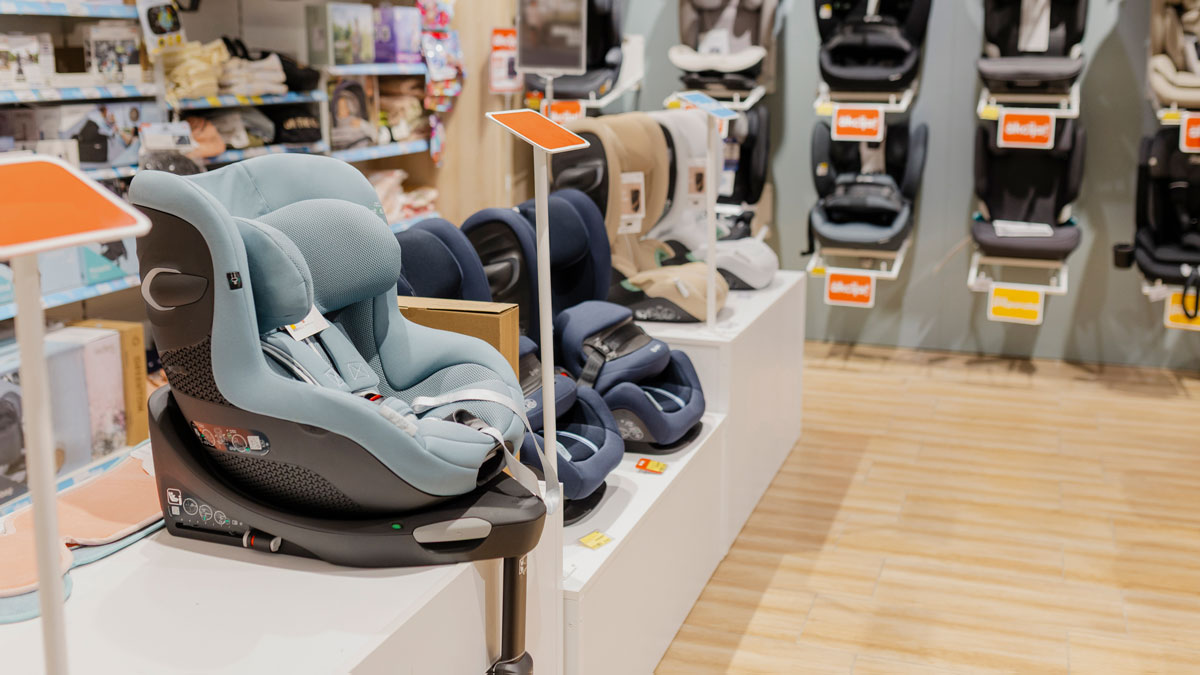
- Buy your car seat and crib new. These are the only two essentials you'll need, Dr. Hoffman says, and getting these items new helps ensure they meet the latest safety standards. If you can't afford a new car seat or crib, contact your local coalition of Safe Kids Worldwide. This organization can connect you with donated or discounted products that will keep your baby safe, Trofe shares.
- Check product labels. Car seats should have a label stating that the product complies with Federal Motor Vehicle Safety Standard 213. For your crib or playard, look for a manufacturer label showing a date of June 2011 or later.
- Consider looking for a Baby Safety Alliance verified seal when shopping for other baby products. "That means the product has been tested to the most up-to-date and stringent safety standards that exist in the United States, and goes beyond the mandatory CPSC rules," Trofe explains.
- Exercise caution with used gear. Secondhand marketplaces can keep recalled products in circulation, passing from family to family. The CPSC has even recalled some products like the Fisher-Price Rock 'n Play sleeper multiple times because so many still circulate on the resale market.[4] Double-check whether secondhand or older products have had a recall by searching the product name on the CPSC website.
- If it's too good to be true, think twice. When you're shopping online, exercise some healthy skepticism. Look closely at who's selling the product and what's in the description, Trofe advises. "Buy from the brand directly if there's a question, and understand if the company name is not a trusted one," she says. Skip unusually good deals for knockoff products, she adds. If there's a name-brand stroller that sells for $600, and there's something that looks very similar that's only $100, that should be a red flag.
- Register your products. You know those paper registration cards that come with pretty much every baby item you buy? It's a good idea to fill those out (either by hand or online) so the manufacturer knows how to contact you in the event of a recall, Trofe and Dr. Hoffman say.
- Report any injuries. You can help keep babies and children safe by reporting any dangerous products (including close calls) you encounter to saferproducts.gov.
Methodology
Recall data were obtained from the U.S. Consumer Product Safety Commission (CPSC) recall database, which contains recall announcements for consumer products regulated by the agency. The dataset includes all recalls issued between January 1, 2015 and December 31, 2025. A keyword search was conducted to identify potentially relevant recalls. All recalls identified through the keyword search were then manually reviewed to determine whether the recalled product was specifically intended for babies or children. After manual review and refinement, the final dataset includes 914 recalls involving baby and children’s products between 2015 and 2025. Annual totals of child-related recalls were compared with the total number of CPSC recalls issued each year to calculate the share of recalls involving baby and children's products.
 Yes
 No


