

































The 9 Best Prenatal Vitamins That OB/GYNs Recommend — and Moms Actually Take


What to Expect selects products based on real-life testing conducted by staff, contributors and members of our user community, as well as independent research and expert feedback; learn more about our review process. Prices and details are accurate as of the published date. We may earn commissions from shopping links.
Quick Summary
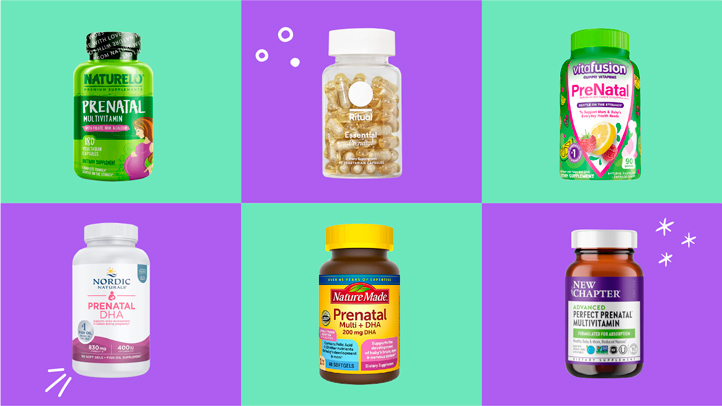
The best prenatal vitamin is the Nature Made Prenatal Multivitamin Folic Acid + DHA, according to feedback from registered dietitians, OB/GYNs, and testers from the What to Expect user community and editors on staff. These vitamins stand out for containing DHA and folic acid, being easy to swallow, and gentle on the stomach.
-

-

-

-

-

-

-

-

-
 Jump to Review
 $37 for 32 servings See at Amazon
 NatureMade
Your body needs a whole lot of nutrients when growing a baby. That’s where a daily prenatal vitamin comes in. Of course, no supplement can replace a balanced, pregnancy-friendly diet. But it's tough to meet the nutrient demands of pregnancy through food alone, and a supplement can help fill in any gaps, says Nicole Rankins, M.D., an OB/GYN and site director of the OB Hospitalist Group in Norfolk, Virginia.
And no, your everyday multivitamin doesn’t quite cut it. “If comparing them side by side, you’d see that prenatal vitamins offer higher levels of many nutrients than a standard women’s multivitamin,” says Olivia Small, R.D.N., a prenatal dietitian and certified lactation counselor at The Ohio State University Wexner Medical Center. For example, prenatals typically contain more iron and folic acid — two must-haves to support pregnancy.
Editor’s Note: Health experts, including the U.S. Centers for Disease Control and Prevention (CDC) and American Congress of Obstetricians and Gynecologists (ACOG), recommend that anyone who is pregnant or trying to conceive take at least 400 micrograms (mcg) of folic acid daily. Folic acid — the synthetic form of folate — is the only type of vitamin B9 proven in large studies to reduce the risk of neural tube defects, which affect the brain and spine early in pregnancy.
Some prenatal vitamins contain folate instead of folic acid. While folate is an important nutrient (typically found in dark leafy greens and other vegetables), it hasn’t been studied to prevent neural tube defects in the same way. For that reason, we’ve noted in the product reviews below any prenatal that does not contain folic acid, so you can discuss adding a separate folic acid supplement with your healthcare provider.
How I Chose the Best Prenatal Vitamins
The best prenatal vitamin should support your body (and your baby!) from the first trimester to the finish line. That’s why every prenatal vitamin on this list was selected based on nutrition guidelines set by the ACOG (which states you need folic acid, iron, vitamin D, choline, omega-3 fatty acids, B vitamins, and vitamin C). Here's what else I based my choices of off:
- I spoke with experts, such as Small and Dr. Rankins, as well as a team of OB/GYNs: Jill Purdie, M.D., Christine Greves, M.D., G. Thomas Ruiz, M.D., Alexa Sassin, M.D., and Meleen Chuang, M.D. I had them break down what ACOG's list of important nutrients actually do — and why they matter (more on that below).
- Additionally, per Small, all of the recommended prenatal vitamins have been certified by the National Sanitation Foundation (NSF) and United States Pharmacopeia (USP), which ensures they were tested for quality and safety.
- I also included results from the 2024 What to Expect Mom Must-Have Awards, where 200 community members voted on their favorites.
- In addition to my own experience taking prenatal vitamins, I not only closely read online reviews of taste, smell, ease of swallowing, and side effects — and nixed any products that fellow moms couldn't stomach, because the best prenatal vitamin doesn't count if you can't swallow it — but asked What to Expect editors on staff what they used during their own pregnancies.
- For additional insights, I also referenced standards set by the CDC, the U.S. Preventive Services Task Force (USPSTF), the American Academy of Pediatrics (AAP), and the U.S. Food and Drug Administration (FDA).
And remember: While the list below represents what we believe to be the best over-the-counter prenatal vitamins available, always talk to your healthcare provider before starting, stopping, or changing your supplements. Every pregnancy and mom-to-be's needs are different, and your doctor can help you find the right fit.
Why Trust Us?
What to Expect is the world’s most trusted pregnancy and parenting brand for a reason. Our product recommendations are based on expert parent insight, advice from medical professionals and feedback from the millions of parents and parents-to-be in our community. Our editors adhere to the highest research and reporting standards and our team of vetted OB/GYNs, pediatricians and other health professionals ensure our recommended products are safe and effective for you and your baby.
Best Overall Prenatal Vitamin
Nature Made Prenatal Multivitamin Folic Acid + DHA

- Includes folic acid and DHA
- gentle on stomach
- USP-verified
- Pills are large
Form: Softgel
Serving size: One softgel per day
Cost per serving: $0.42
FSA-eligible: Yes
A 2024 Mom Must-Have Award winner, Nature Made's Prenatal Multivitamin is packed with all the essential nutrients you need at an affordable price. These vitamins are especially rich in folic acid, iron, calcium, and vitamin D, and they contain DHA, an omega-3 fatty acid, without a fishy aftertaste.
Sarah Darby, Associate Director, SEO Content Strategist, and mom of two, started with gummy prenatals but switched to Nature Made after realizing she needed more iron. She was pleasantly surprised by how well she could stomach them.
"I actually found that they tasted better than the gummies because I was just swallowing them instead of chewing," Sarah says, adding that they were easy to swallow and the taste wasn't bad. "I would say they were as easy on the stomach as I could expect for something with iron, given my raging heartburn."
What moms love most about Nature Made's prenatals is how gentle they are on the stomach — without any bitterness. Many moms also praised the softgel capsules for being easy to swallow and free from both the chalky aftertaste of uncoated pills and the excess sugar of gummy vitamins.
"I was intimidated by the size of the Nature Made vitamins, but I actually found it really easy to switch from gummy prenatal vitamins to these," says Caroline Picard, Senior Health Editor and recent mom of one, says. "I always take them right before bed, so I haven’t had any issues with stomach upset or aftertaste, and I like having the peace of mind that they contain more iron and DHA than gummy options."
Overall, Nature Made Prenatal is a solid multivitamin that delivers the nutrients you need at a good price, with a generous amount of pills in each bottle.
Tested by Robin Hilmantel, mom of two and What to Expect's Senior Director of Strategy and Growth:
“I was also on a gummy prenatal at one point, but I switched to Nature Made once I realized that it had more of the recommended nutrients. There was a slightly fishy aftertaste, but it wasn't bad compared to other vitamins with DHA that I've tried. And Nature Made never upset my stomach.”
Best All-in-One Prenatal Vitamin
One A Day Prenatal Vitamin With Folic Acid, Iron, and DHA

- Good value
- Packed with 18 key nutrients
- Subscribe and save
- Part of a system for before and after pregnancy support
- Some say these are smelly
- May melt
Form: Softgel
Serving size: One softgel per day with food
Cost per serving: $0.45
FSA-eligible: Yes
There’s often confusion about folic acid versus folate these days, but leading medical resources — including the CDC, ACOG, USPSTF, and even the American Academy of Pediatrics (AAP) — all recommend folic acid specifically. That’s because no scientific studies show other forms of folate are as effective in preventing neural tube defects (NTDs), even though folic acid is the synthetic version.
For moms-to-be who want an easy, comprehensive option without having to worry about juggling extra supplements, the One A Day Prenatal Vitamins are the best all-in-one choice for everyday support. Each softgel is packed with 18 key ingredients, including 800 mcg of folic acid, along with 100% of the daily value for iron and vitamin D.
They're also made without dairy, gluten, artificial sweeteners, synthetic colors, or high fructose corn syrup.
However, if you're looking for choline, the brand also offers a duo version (120-count package) that you can take before, during, and after pregnancy.
Best Prenatal Gummy Vitamin
Vitafusion Prenatal Supplement

- Easy to take
- high in vitamin D
- contains DHA
- Lacking iron and calcium
Form: Gummy
Serving size: Two gummies per day
Cost per serving: $0.13
FSA-eligible: Yes
Can't stomach a horse-sized prenatal vitamin? A gummy might help. Vitafusion Prenatal Gummies pack many of the essential nutrients you need (including DHA) into a lemon- or raspberry lemonade-flavored chew. Plus, they also contain 800 IU of vitamin D, which is more than the daily value for pregnant women, while also aiding in bone growth and boosting your immune system. It also contains 360 mcg of folic acid per serving.
Just note that you'll need to ask your practitioner if you should supplement with calcium and iron separately because this option lacks both. And, because you'll need to take two gummies a day, each bottle contains only a 45-day supply. However, for those who can't swallow the large size of many prenatal vitamins or who have a sensitive stomach, this flavorful, easy-to-take gummy option will be a great alternative.
Tested by Leah Rocketto, mom of two and What to Expect's Associate Commerce Director:
"My stomach was super sensitive during the first trimester, and I found these gummies easier to handle than traditional vitamins. Oddly, I found the semi-sour flavor soothing on my stomach. I eventually switched to a softgel when my morning sickness passed, but these were a great first-trimester pick."
Best Flavored Prenatal Vitamin
Ritual Essential Prenatal Multivitamin

- Two flavor options
- vegan
- traceable ingredients
- Not everyone loves the aftertaste
- some say it causes “fish burps”
- does not contain folic acid
Form: Softgel
Serving size: Two softgels per day
Cost per serving: $1.30
FSA-eligible: Yes
Ritual is a subscription-based service, so you'll never have to remember to grab more prenatal vitamins when you run low. The brand is big on only including ingredients that you can trace right to the source, with detailed descriptions about where each vitamin and mineral comes from to help you know exactly what you're putting in your body during this important time. Included in each serving is vital nutrients for you and baby, including folate and iron, plus choline and DHA, all which aid in brain and blood support. You can choose from mint- or citrus-essenced pills for a nice taste that makes these pills more palatable than most.
"Based on everything I read about prenatal vitamins, I was prepared for some chalky and fishy flavors. But Ritual’s vitamins were fine," Melissa Bykofsy, Executive Editor and mom of two, says in her review of Ritual prenatal vitamins. "It probably helps that the vitamins are available in two flavors: citrus and mint. I opted for citrus both times (though, it was the only option during my first pregnancy) and found it to taste a lot like a vitamin C supplement."
It's also the only prenatal on the market backed by a human clinical trial. A recently published study examined the maternal blood, placenta, and cord blood over a 24-week pregnancy window. Of the 70 participants, those who took Ritual saw a higher increase of biotin levels and improved absorption of folate, as well as a reduction in cortisol, compared to those who just took a control multivitamin-mineral supplement and DHA pill.
However, it's also important to point out that the supplements don't contain zinc or vitamins A or C, so talk to your doctor to see if you should be supplementing separately with these nutrients or if your regular diet includes enough of each naturally.
Note: This prenatal contains folate, not folic acid. You may need to add a separate supplement to meet medical recommendations.
Best Preconception Prenatal Vitamin
Theralogix TheraNatal Core Preconception Vitamins

- Vegetarian
- NSF-certified
- Doesn't contain DHA
- contains folate instead of folic acid
Form: Tablet
Serving size: One tablet per day
Cost per serving: $0.43
FSA-eligible: Yes
The Theralogix TheraNatal Core Preconception Vitamin contains nutrients designed to give your body what it needs to prepare for pregnancy. This includes methylated folate, a natural form of folate that is easier to absorb, which helps support baby's brain development. If you're trying to conceive, taking a vitamin high in folate up to six months before conception can help set an important foundation for both your body and baby's development.
Additionally, Theralogix's preconception vitamins contain 2,000 IU of vitamin D, which is more than double the daily amount, in order to aid in bone growth, immunity, and even mood. It also contains plenty of calcium and iron, which are crucial for your bones and blood cell production, respectively. And, it notably includes choline, which is not always found in prenatals but can help with fetal brain development and may decrease the risk of neural tube defects.
However, talk to your doctor once you’re pregnant to ensure that the higher level of certain nutrients is still safe for a developing baby.
Note: This prenatal contains folate, not folic acid. You may need to add a separate supplement to meet medical recommendations.
Best Organic Prenatal Vitamin
New Chapter Advanced Perfect Prenatal Multivitamins

- Made with organic ingredients
- 100 percent vegetarian
- Doesn’t contain DHA
- have to take three pills a day
Form: Tablet
Serving size: Three tablets per day
Cost per serving: $0.76
FSA-eligible: Yes
New Chapter's kosher prenatals are International Certification Services (ICS) organic certified and verified non-GMO. We like how they contain 27 mg of iron (which is your entire daily value during pregnancy), but are gentle enough to take on an empty stomach, which is likely due to the addition of ginger. They also contain a modest amount of calcium (about 6 percent of the RDA during pregnancy), which is great if you need a boost in addition to what you consume in your diet.
"I had mild morning sickness with my first and metal mouth with my second, but was able to tolerate New Chapter's prenatals," says Jeanne Beacom, Campaign Performance Manager and mom of two.
It's worth noting that you have to take three of these a day, but Jeanne said it was easier than she expected.
"I took one in the morning and two in the evening," she shares. "I actually used a dry-erase marker on the bathroom mirror to tally as a reminder."
You'll need to take a separate DHA supplement, as these don't contain any.
Note: This prenatal contains folate, not folic acid. You may need to add a separate supplement to meet medical recommendations.
Best Prenatal DHA Supplement
Nordic Naturals Prenatal DHA


- NSF-certified
- organic
- includes strawberry flavor option
- Lacks other important ingredients
Form: Softgel
Serving size: Two softgels per day
Cost per serving: $0.56
FSA-eligible: Yes
If your prenatal vitamin doesn't contain DHA, ask your doctor if you should take an additional omega-3 supplement, like this Nordic Naturals Prenatal DHA. The brand's prenatal softgels contain an impressive 480 mg of DHA, with an overall total of 830 mg of omega-3s. DHA has been found to be important for a baby's nervous system, while omega-3 fatty acids in general help with brain and visual development.
What sets this DHA supplement apart from others is its strawberry flavor option, which many moms-to-be find helpful in preventing nausea. In fact, Stephanie Fisher, Senior Director of Multi-Platform Content Strategy and mom of two, calls it "magic."
"I was shocked by the lack of a fishy aftertaste," she says.
Jeanne also used Nordic Naturals prenatals but found they "got a little fishy sometimes." She adds, "They can also get sticky inside the bottle, so I usually give it a good shake every time before I open it."
These vitamins also contain 400 IU of vitamin D3 for added bone, mood, and immune support, and the softgel capsule is easy to swallow.
Remember, however, that this isn't a full-spectrum prenatal vitamin, so it will need to be taken with a multivitamin to ensure you're meeting all your nutritional needs. And, because of its high quantities in DHA and other omega-3s, you should check with your doctor before taking it to make sure it's the right option for you.
Note: This prenatal contains folate, not folic acid. You may need to add a separate supplement to meet medical recommendations.
Best Vegan Prenatal Vitamin
Garden of Life Organics Prenatal Vitamin

- Vegan
- Gluten-free
- Expensive
Form: Tablet
Serving size: One tablet per day
Cost per serving: $1.11
FSA-eligible: No
Plant-based parents-to-be will love these vegan Garden of Life Organics prenatal vitamins, which contain essential nutrients such as folate, calcium, iron and vitamins A, C and D. Unlike many capsules or softgels, each tablet is made from plant-based materials that are free of synthetic binders and fillers. They can also dissolve within 45 minutes, delivering important nutrients to you and your baby quickly. It contains ferronyl iron, an altered form of the mineral that some feel is easier to digest without causing constipation. While it’s more expensive than your average prenatal, this vegan tablet is taken once a day.
Note: This prenatal contains folate, not folic acid. You may need to add a separate supplement to meet medical recommendations.
Best Liquid Prenatal Vitamin
Pink Stork Liquid Prenatal

- Can mix with other beverages
- women-owned company
- No DHA
- not many servings in each bottle
Form: Liquid
Serving size: One Tbsp.
Cost per serving: $1.47
FSA-eligible: Yes
For moms-to-be experiencing nausea or hyperemesis gravidarum (or for those who simply don't enjoy taking pills), Pink Stork Liquid Prenatal is a great option to consider. Widely loved by expectant moms in the What to Expect community, this liquid prenatal packs in tons of the nutrients you need, like iron, and zinc, plus full daily values of vitamins including C, D, B6, B12, and more. It also includes 100 mg of choline, which is good for baby's brain development.
What sets this prenatal apart from pills or gummies is its liquid formula which can be mixed with your favorite beverage to make it even easier to ingest. (You can, of course, take the one tablespoon dose daily by itself — but some reviewers note it has that standard vitamin taste, so adding it to another beverage may be ideal.) Note, though, that this prenatal doesn't include DHA, so you may need to look for a supplement option to add on.
Note: This prenatal contains folate, not folic acid. You may need to add a separate supplement to meet medical recommendations.
Ingredients to Look for in Prenatal Vitamins
Folic acid (400 to 600 mcg): One of the B vitamins that's crucial to the formation of the neural tube, which becomes your baby's brain and spine. It's the only form of folate proven to reduce the risk of neutral tube defects (NTDs), according to the CDC.
Vitamin A (750 to 770 mcg): "Vitamin A plays a role in the formation of the fetal eyes, ears, limbs, and heart," says Dr. Purdie.
Vitamin C (80 to 85 mg) and E (15 mg): "These two play an important role in fetal collagen production and supporting the mother's immune system," says Dr. Purdie. Large doses of vitamin C a day (over 2,000 mg) can cause symptoms like diarrhea, nausea, and vomiting, so don't take additional supplements outside of what's in your prenatal without consulting your doctor.
Vitamin D (15 mcg or 600 IU): Vitamin D is important in developing fetal bones, as well as aiding maternal bone health. "There are also emerging studies that suggest it aids in immunity and improves mood for the mother," says Dr. Purdie. If your doctor suspects you may not be getting enough Vitamin D, she may recommend an extra supplement.
Calcium (1,000 to 1,300 mg): All women ages 19 to 50 need at least 1,000 mg per day of this crucial nutrient, which, in the case of pregnant women, helps build baby's bones and teeth.
Iron (27 mg): During pregnancy, the amount of iron you need in a day greatly increases. This is because your body needs more iron in order to make more blood to supply oxygen to your baby. "Iron requirements in pregnancy increase, so supplementation is necessary to maintain adequate blood cell production," says Dr. Purdie. If, like many women, you become anemic during pregnancy, your doctor may recommend an iron supplement or a different prenatal vitamin with more iron.
Zinc (11 to 12 mg): This mineral supports your immune system and healthy cell division.
DHA: Regular prenatal vitamins may not contain DHA, an omega-3 fatty acid found in many types of fish that aid in baby's brain development, both before and after birth. If you're unable to get the recommended two to three servings (8 to 12 ounces) of pregnancy-safe fatty fish per week, ask your doctor if you should take a supplement.
Other nutrients: You might also see several other additions on the label, such as copper, choline, thiamin, vitamin B12, magnesium, and ginger or vitamin B6 (both may help with morning sickness).
- Thiamine: Aka thiamin or vitamin B1, thiamine is important for the development of the baby's nervous system, Dr. Chuang says.
- Vitamin B12 and B6: Necessary for producing red blood cells, as well as the development of baby’s brain and nervous system, along with the placenta, Dr. Chuang says. "This is more of a common deficiency that's discussed," Dr. Greves says. "We check it in people who have less energy and bowel problems." B6 also aids in the metabolism of protein and may help with nausea. It should also give you an energy boost.
- Magnesium: Supports healthy muscle and nerve function, Dr. Chuang says. It also helps to regulate blood sugar levels. "Sometimes we recommend that women with migraines take magnesium to help prevent them," Dr. Greves says.
- Probiotics: "Probiotics can help support a healthy gut microbiome, which is beneficial for both the mother and baby's digestive health," Dr. Chuang says.
- Choline: Helpful in the fetus's brain development and preventing some birth defects, according to research, experts recommend 450 mg per day while pregnant.

FAQs
Why do I need to take a prenatal vitamin during pregnancy?
Health experts recommend taking prenatal vitamins before and during pregnancy because they help the body meet the increased need for certain nutrients to support a growing fetus. Prenatal vitamins also help fill in nutritional gaps, especially in those who are having trouble eating well due to pregnancy nausea and food aversions.
When should I start taking prenatal vitamins?
Start taking prenatal vitamins three months before you hope to conceive, suggests Dr. Rankins. Taking supplemental folic acid — a key component of good prenatal vitamins — before you get pregnant can reduce the risk of neural tube defects, which affect the brain and spine.
But if you didn't start taking prenatals until you learned that you're pregnant, don't beat yourself up. "Just take them as soon as possible," says Dr. Rankins.
Just like you can take prenatals before pregnancy, you can also take them after delivery. Prenatal vitamins can actually help fill gaps in your diet and provide essential nutrients when you're breastfeeding, says Dr. Greves. You can talk to your healthcare provider about continuing to take a prenatal after you give birth to see what is best for you and for how long you should take it.
When is the best time to take prenatal vitamins?
Ultimately, the best time to take a prenatal vitamin is whenever you will remember to take it (though experts recommend you take it with food). So if your mornings are particularly hectic, you may want to wait until nighttime to take your prenatal. If you’re experiencing nausea during your pregnancy, you’ll also want to factor in the time of day when you’re the least queasy.
Are there any side effects to prenatal vitamins?
Prenatal vitamins can cause mild side effects, including:
- Constipation: "The pregnancy hormone progesterone can cause constipation, and then if you add an iron supplement, it can be tough," says Dr. Rankins. Drink plenty of water and make sure you're getting enough fiber in your diet. You can also ask your doctor about a stool softener to help keep things moving.
- Nausea and vomiting: Iron can also make people feel queasy. To combat this, Dr. Rankins suggests taking prenatals with "easily digestible" foods such as crackers or applesauce. You may also need to take your vitamin at bedtime, switch brands or even experiment with different formulas to help relieve these symptoms.
- Bright yellow urine: Large doses of B vitamins, like riboflavin, may give your urine a more colorful hue that's typically harmless, but always check with your doctor if you're concerned.
If you struggle with side effects, ask your doctor about prescription prenatal vitamins. "Both prescription and over-the-counter vitamins will have all the necessary nutrients, however, the formulation may be different — the prescription vitamin may have iron that causes less constipation, or it may include a stool softener to help with constipation or vitamin B6 to help with nausea," says Dr. Purdie.
What is the most effective prenatal vitamin?
The most effective prenatal vitamin is one that will help meet the needs of you and your baby. However, we like the Nature Made Prenatal Multivitamin Folic Acid + DHA for its large spectrum of nutrients, gentle formulation and affordable price tag.
What is the most recommended pregnancy supplement?
Recommendations for pregnancy supplements can vary based on your needs. To find the right pregnancy supplement for you, it’s best to check in with your doctor. They should be able to assess your needs and make recommendations on key ingredients to look for in a supplement.
- What to Expect When You're Expecting, 5th edition, Heidi Murkoff.
- American College of Obstetricians and Gynecologists, Nutrition During Pregnancy, March 2021.
- American College of Obstetricians and Gynecologists, Vitamin D: Screening and Supplementation During Pregnancy, 2021.
- Centers for Disease Control and Prevention, Folic Acid Helps Prevent Serious Birth Defects of the Brain and Spine, September 2021.
- Centers for Disease Control and Prevention, Maternal Diet, September 2021.
- Jill Purdie, M.D., Medical Director and OB/GYN, Northside Women’s Specialists, Atlanta, Georgia.
- Mayo Clinic, Iron deficiency anemia during pregnancy: Prevention tips, February 2022.
- Mayo Clinic, Iron Supplement (Oral Route, Parenteral Route), August 2021.
- Mayo Clinic, Prenatal Vitamins: Why They Matter, How to Choose, May 2020.
- Mayo Clinic, Riboflavin (Oral Route), February 2021.
- Mayo Clinic, Vitamin A, November 2020.
- National Institutes of Health, National Library of Medicine, Comparison of the Effectiveness of Ginger and Vitamin B6 for Treatment of Nausea and Vomiting in Early Pregnancy, January 2007.
- National Institutes of Health, National Library of Medicine, The Effects of Vegetarian and Vegan Diet during Pregnancy on the Health of Mothers and Offspring, March 2019.
- National Institutes of Health, National Library of Medicine, Maternal Omega-3 Nutrition, Placental Transfer and Fetal Brain Development in Gestational Diabetes and Preeclampsia, May 2019.
- National Institutes of Health, National Library of Medicine, Vitamin D Deficiency and Antenatal and Postpartum Depression: A Systematic Review, April 2018.
- National Institutes of Health, National Library of Medicine, Vitamin D Effects on the Immune System from Periconception through Pregnancy, May 2020.
- National Institutes of Health, National Library of Medicine, Zinc Supplementation for Improving Pregnancy and Infant Outcome, February 2015.
- National Institutes of Health, Office of Dietary Supplements, Folate, March 2021.
- National Institutes of Health, Office of Dietary Supplements, Vitamin A, January 2021.
- National Institutes of Health, Office of Dietary Supplements, Vitamin A (Fact Sheet for Health Professionals, March 2021.
- National Institutes of Health, Office of Dietary Supplements, Vitamin C, March 2021.
- National Institutes of Health, Office of Dietary Supplements, Vitamin E, March 2021.
- National Institutes of Health, Office of Dietary Supplements, Vitamin D, March 2021.
- National Institutes of Health, Office of Dietary Supplements, Calcium, November 2021.
- National Institutes of Health, Office of Dietary Supplements, Iodine, March 2020.
- National Institutes of Health, Office of Dietary Supplements, Iron, March 2020.
- National Institutes of Health, Office of Dietary Supplements, Zinc, December 2021.
- Nicole Rankins, M.D., OB/GYN and Site Director, OB Hospitalist Group, Norfolk, Virginia.
- U.S. Food & Drug Administration, Advice about Eating Fish For Those Who Might Become or Are Pregnant or Breastfeeding and Children Ages 1 - 11 Years, December 2021.


