












































Gestational diabetes can have serious consequences if it's left untreated, but with careful monitoring and treatment, it can be managed — and you can still have a safe, healthy pregnancy. Health care practitioners routinely screen for the condition, which is more common than you might think.
Here's everything you need to know about gestational diabetes, including how it can affect you and your baby and how it's managed.

What is gestational diabetes?
Gestational diabetes is a form of diabetes that develops only during pregnancy. It affects up to 9% of pregnancies in the United States every year, according to the American Diabetes Association.[1]
Who is most at risk for gestational diabetes?
Researchers aren't certain why some women develop gestational diabetes while others don’t, but certain factors can increase your risk, including:
- Being overweight. Having a BMI of 30 or higher going into pregnancy is one of the most common risk factors for gestational diabetes.
- Older maternal age. Women over the age of 35 have a higher risk of developing GDM, and that risk continues to rise with age.
- A family history of diabetes. If diabetes runs in your family, especially among first-degree relatives, you may be more likely to develop GDM.
- A personal history of GDM. If you had gestational diabetes in a previous pregnancy, you may be more likely to develop it again.
- A pre-diabetes diagnosis. If your blood sugar levels were slightly elevated before pregnancy — for example, if your hemoglobin A1C was 5.7% or higher — you may be at higher risk of GDM.
- Bed rest. Some research suggests that bed rest may increase the likelihood of GDM because it can limit activity levels and contribute to additional pregnancy weight gain.
- Certain medical conditions linked to diabetes. This could include metabolic syndrome, polycystic ovary syndrome (PCOS), hypertension, and cardiovascular disease.
- Pregnancy with multiples. Carrying more than one baby may increase your risk for GDM.
In the U.S., about 90% of pregnant women have at least one risk factor for gestational diabetes, which is why universal screening is a practical approach.


What are the symptoms of gestational diabetes?
Most women with gestational diabetes have no symptoms, though some may experience:
- Unusual thirst
- Frequent urination in large amounts (different from the more frequent but usually lighter urination common in early pregnancy)
- Fatigue (which may be difficult to distinguish from normal pregnancy fatigue)
- Sugar in the urine (detected at a routine prenatal visit)
What causes gestational diabetes?
Gestational diabetes develops when the body can’t make or use enough insulin during pregnancy. Insulin is a hormone produced by the pancreas that helps regulate blood sugar levels and allows the body to use glucose for energy.
During pregnancy, the placenta produces hormones that can make the body more resistant to insulin. As pregnancy progresses, some people can’t produce enough extra insulin to keep blood sugar levels within a healthy range. This leads to gestational diabetes.
When blood sugar levels remain too high (hyperglycemia) and go unmanaged, it can increase the risk of complications.
When does gestational diabetes usually begin?
Gestational diabetes is usually diagnosed between week 24 and week 28, but it may develop earlier.
How is gestational diabetes diagnosed?
You'll have routine urine tests at your prenatal visits. That’s in part to check for sugar in your urine, which can be a sign of gestational diabetes (though one positive screening doesn’t necessarily mean you have gestational diabetes).
In addition, between weeks 24 and 28 of pregnancy, your practitioner will give you a glucose screening test, in which you'll drink a sugary liquid and have your blood drawn an hour later. If you have risk factors for gestational diabetes, you may be screened earlier in pregnancy.
If your bloodwork picks up high sugar levels, your practitioner will likely recommend a three-hour glucose tolerance test to confirm whether you have gestational diabetes.
Between glucose tests, appointments, and keeping track of all the pregnancy to-dos, your brain may feel a little full these days. The free What to Expect app helps you stay organized with reminders, symptom tracking, and expert-backed guidance right at your fingertips.
How does gestational diabetes affect me and my baby?
With proper treatment and regular monitoring by your practitioner, gestational diabetes can usually be managed without harming you or your baby. But if GDM is left untreated, and too much sugar circulates in both your bloodstream and the baby's, potential complications can include:
- Macrosomia (a larger-than-average baby), which can make delivery more difficult and a C-section more likely
- Preeclampsia
- Stillbirth
- Induction of labor
For your baby, uncontrolled diabetes can increase the risk of:
- Jaundice
- Breathing difficulties
- Low blood sugar levels
- Obesity later in life
- Type 2 diabetes later in life
But remember, following your doctor's recommendations to manage your blood sugar can help reduce the risk of these complications.
"I had diet-controlled gestational diabetes in my last pregnancy, and everything turned out fine," says What to Expect Community mom megcharmony. "No blood sugar issues with me or the baby after birth, and my A1C is 4.5% now, just like it was before pregnancy."
What can I do to prevent gestational diabetes?
The following healthy habits may help lower your risk of developing both gestational diabetes and type 2 diabetes both before you conceive and during your pregnancy:
- Stay active. With a baby on the way, now's an excellent time to start or maintain a fitness routine. Exercising with your practitioner's approval, even if it's just a 15-minute walk after meals, helps your body use glucose more effectively and can help keep blood sugar levels stable.
- Eat a healthy diet. Fill your grocery list (and your plate) with a balanced mix of fruits, vegetables, lean proteins, and complex carbs such as whole grains, legumes, nuts, and seeds.
- Gain pregnancy weight steadily. Work with your practitioner to gain the recommended amount of weight during pregnancy.
Even with healthy habits, it's (frustratingly) still possible to develop gestational diabetes — especially if you have a family history of the condition. But maintaining these habits can help you manage it more effectively.
How is gestational diabetes treated?
Fortunately, you can ward off the potential risks associated with diabetes in pregnancy by carefully monitoring your blood sugar levels.
If you’re diagnosed with GD, your practitioner may recommend:
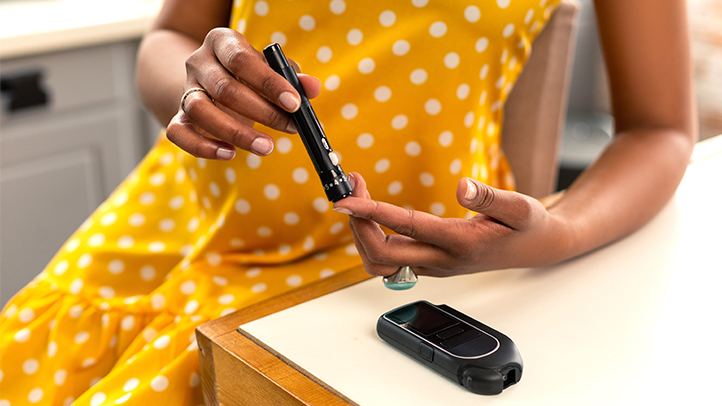
- Monitoring your blood sugar level several times a day. You’ll usually check your fasting level first thing in the morning and then test again after meals to make sure your levels stay within a healthy range. Most practitioners recommend using a glucose monitor and finger-prick testing kit.
- Meeting with a registered dietitian. They can help you build a balanced meal plan that fits within your budget. Many women stick to their gestational diabetes eating style long after birth because it's rich in nutrients and designed to keep your blood sugar (and energy levels) stable.
- Keeping a food log. Writing down what you eat along with your blood sugar readings can help identify foods that may spike your glucose levels.
To cope with the mental fatigue of monitoring numbers, Community mom Jane897 recommends that you "find some good meals and stick with them." - Getting regular movement. Taking a walk or staying active after meals can help lower blood sugar levels. "Walking after meals for five to ten minutes did the trick," says Community mom Jane897.
Diet and exercise are often enough to control gestational diabetes — but if they aren't, your doctor may recommend insulin therapy. Insulin may be given through injections or, in some cases, with the oral medication glyburide, which helps the pancreas produce more insulin.
"I was able to stay off insulin with my diet," says Community mom vogelable, who had GD with both of her kids, who are both super healthy now.
Your doctor may also recommend additional fetal monitoring during the third trimester, including nonstress tests and/or biophysical profiles, to make sure your baby’s heart rate, movement, and amniotic fluid levels remain normal.
How is gestational diabetes managed after pregnancy?
Research shows that women who have had gestational diabetes have a 3% to 7% chance of developing type 2 diabetes within five to 10 years, which is why maintaining healthy habits after pregnancy is so important.
Here are a few ways to stay healthy after your baby is born:
- Keep up with doctor visits. Your primary care physician and/or OB/GYN may recommend follow-up testing after your postpartum visit and then yearly screenings to check your fasting glucose and HbA1c (glycated hemoglobin) levels.
- Talk to a registered dietitian. They can help you create a long-term eating plan that will help keep glucose levels in a healthy range.
- Continue choosing healthy foods. Aim for a balanced diet that includes vegetables, fruit, beans, nuts, seeds, lean proteins, dairy, and whole grains.
- Consider breastfeeding longer, if you're able. Breastfeeding may decrease your risk of developing type 2 diabetes after gestational diabetes. There are several possible explanations, including that breastfeeding women have lower levels of glucose circulating in their blood.
- Fit in fitness. Caring for a newborn is demanding, but fitting in practitioner-approved physical activity when possible can benefit both your physical and mental health.
How does GD affect your baby after birth?
Babies who are born to mothers with gestational diabetes are typically tested for low blood sugar (hypoglycemia) shortly after birth with a simple blood test while you're still in the hospital.
Children born to mothers with gestational diabetes may also have a higher risk of developing obesity or type 2 diabetes later in life. As your child grows, practicing those same good eating and exercise habits you learned during pregnancy as a family will help protect his health — and yours.
 Yes
 No


