









































How unfair is it that when you need sleep the most, you can't seem to get it? You tell yourself it's the last chance for uninterrupted rest before baby arrives — but those blissful Zzzs are nowhere to be found.
Whether your sleeplessness is related to anxiety, crazy pregnancy dreams, frequent trips to the bathroom, or your sweet babe kicking you in the ribs, getting enough sleep is important for your health. Here's what's behind pregnancy insomnia and what you can do to manage and maybe prevent it.

What is insomnia?
Insomnia is a sleep disorder that makes it hard to fall asleep, stay asleep, or drift back off after waking up at night.[1] It can also leave you feeling like the sleep you did get wasn't restorative.
If you're wide awake at 2 a.m., you're in very good (and very exhausted) company. Up to 60% of Americans (both pregnant and not) experience insomnia at some point, and it can impact your mood, energy, focus, and overall health. Insomnia can hit especially hard in the third trimester, affecting more than 75% of moms-to-be. So yes, this is normal. Frustrating, but normal.
"I have been sleeping on the couch the past few days, waking up every one to two hours, sometimes being awake three to four hours before going back to sleep," says What to Expect Community member tdawk38. "I miss sleeping all night without waking up. Guess I am being prepared for when the little one arrives."
When does insomnia during pregnancy start?
It's normal to have trouble sleeping at any point during pregnancy, but many expectant women notice insomnia ramping up in the second trimester or third trimester. As your belly grows and other pregnancy symptoms increase, getting comfortable becomes more challenging.
Still, first trimester woes — like nausea and needing to pee constantly — can disturb precious sleep early on, too.
If you're worried that insomnia may harm your baby, rest assured that occasional sleepless nights won't. So do your best not to fret — sometimes, just releasing your worries is all it takes to help you sleep.
Use the My Journal tool in the What to Expect app to track your sleepless nights and record what’s on your mind.
What causes pregnancy insomnia?
Like many pregnancy symptoms, insomnia is partly driven by hormonal changes.[2] But plenty of other factors may conspire to keep you awake at night, including:
- Frequent trips to the bathroom
- Heartburn, constipation, or morning sickness
- Aches and pains, including headache, round ligament pain, and tender breasts
- Leg cramps and restless leg syndrome
- Vivid or disturbing dreams
- A hopped-up metabolism that leaves you feeling overheated
- Difficulty getting comfortable with your growing belly
- Kicking, flipping, and rolling from your active baby on board
- Pre-birth anxiety and worries
"This is my fourth pregnancy, and [insomnia] has always been one of my first symptoms," says What to Expect Community mom VSR331. "I wake up at 3 a.m. to use the bathroom and can't get back to sleep. It's a very frustrating symptom and I'm hoping it disappears soon!!"
How long does pregnancy insomnia last?
For some moms-to-be, insomnia is brief. For others, it comes and goes or lingers throughout pregnancy.
Since it's possible to experience insomnia and disrupted sleep at any point during pregnancy, you may be faced with a loss of shuteye for weeks or months with no real end point in sight. If insomnia is taking a toll, check in with your doctor at your next prenatal appointment for some help and guidance. They can help you sort through safe solutions.
What to Expect Community mom oveleigh33 has had terrible pregnancy insomnia with all five of her pregnancies: "I am usually exhausted and don't have trouble falling asleep initially, but then whenever I wake up to pee, I can't fall back to sleep for quite some time. For me it usually gets better around 11 to 12 weeks."
Can you take melatonin during pregnancy?
Melatonin, a hormone that the body creates naturally to regulate sleep-wake cycles, might seem like an easy fix for a case of insomnia. But because it's considered a dietary supplement in this country, the regulation of melatonin isn't as carefully regulated or overseen as other drugs, and its impact hasn't been well studied in pregnancy.[3] If you're struggling with insomnia, your doctor may approve an occasional and very small dosage (such as 1 milligram).
There are also other over-the-counter and prescription sleep aids that are considered safe for occasional use in pregnancy, including Unisom, Tylenol PM, Sominex, and Nytol, but always check with your doctor before taking these or any other medications, including herbal preparations. Try not to take sleep aids every night unless directed by your doctor.
If your doctor recommends magnesium for constipation or leg cramps, taking it before bed may offer an added bonus: Magnesium can have muscle-relaxing effects that may support sleep. But again, check with your provider first.
Is insomnia harmful during pregnancy?
A lost night of sleep here and there during pregnancy isn't usually a concern, but chronic sleep deprivation has been linked to gestational diabetes, stress, and depression.
Late-pregnancy sleep issues, including insomnia and frequent snoring, have been associated with longer labor, a greater likelihood of C-section, and babies who are either larger or smaller than expected for gestational age.
If you're consistently exhausted or concerned, let your doctor know.
How to manage pregnancy insomnia
You're probably getting more sleep than you think, but fragmented rest can still feel draining. To help, here are a couple of ways to manage sleeplessness.
- Get out of bed. If you're awake for 20 to 30 minutes, get up and do a quiet, low-stimulation activity. (Think light reading, not scrubbing the kitchen.) Then try to go to sleep again.
- Stop clock-watching. Though most people do best on about 8 hours of sleep, some feel fine on less, and some need more. If you're functioning well and not chronically tired, you may be sleeping enough.
How to prevent pregnancy insomnia
You don't have to take insomnia lying down! Instead, set the stage for better sleep:
- Clear the emotional decks. If you have persistent worries that are keeping you up at night, talk about them with a friend or your partner during the day. You can also try meditation or writing your thoughts on paper.
- Limit caffeine and chocolate, especially in the late afternoon or evening.
- Eat earlier and lighter. A big meal, eaten late in the evening, can worsen heartburn.
- Take your time. Don't wolf your food down at your evening meal. A leisurely pace can help keep symptoms of heartburn at bay.
- Have a small bedtime snack. A light snack before you turn in will tide you over until breakfast. Choose a healthy carb-protein pair to keep your blood sugar stable, such as a whole grain muffin and a glass of warm milk, or a cheese stick and a few dried apricots.
- Cut back on evening fluids. Fill your daily requirement of fluids earlier in the day and cut back on what you're drinking after 6 p.m. This may help reduce your bathroom runs after you've hit the hay.
- Work it out. Getting some daily pregnancy exercise can make you sleepier at night. Just avoid hitting the gym too close to bedtime, since a post-workout buzz can keep you awake. "Honestly what's helped the most is getting some kind of exercise in (usually a walk or yoga) at least a few hours before bed," says What to Expect Community mom kgmama91. "It's been exhausting with work, life, etc., trying to always make time, but I days I do make time for it I can tell a huge improvement in my sleep."
- Create a consistent bedtime routine. Try to go to bed and get up at the same time every day. Craft a routine that includes calming rituals like light reading, soothing music, gentle yoga poses or relaxation exercises, a warm bath, or prenatal massage.
- Try nasal strips. If you're having trouble sleeping due to congestion, nasal strips may help you breathe more easily at night.
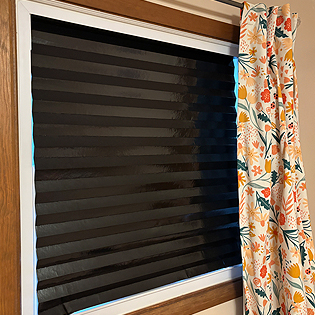
- Make the room sleep friendly. Keep it cool, dark, and well-ventilated. Use black-out shades, if necessary.
- Try white noise or meditation apps. There are plenty of apps that promise to help you sleep, so download some of the better-rated ones that rely on self-guided meditation and nature sounds. Or consider a machine that emits a sound that you find soothing. "Some things that can help me are stretching before bed and falling asleep with some white noise," says What to Expect Community member cat1217. "My mind races at night with worry and fear, so I find the white noise distracts my brain and I can rest."
- Wean off the screen. Using your phone, tablet, e-reader, TV, or laptop before bed can mess with your sleep. The screen's blue light alters sleepiness and alertness, and suppresses levels of melatonin. Power off at least an hour before bed. When What to Expect Community member Kpowbaby wakes in the middle of the night, "I try for at least one hour to not touch my phone and typically can go back to sleep. If I touch my phone, I am 100% up for a few hours."
- Air it out. Is your bedroom too toasty? You're sure to heat up during the night, so check the temperature, and turn down the thermostat if necessary. Open a window occasionally to keep the room from getting stuffy.
- Get comfy. There's no such thing as too many pillows during pregnancy. Use them to prop you up, support you where you need it, or just cozy up to (or better yet, invest in a good pregnancy pillow). Make sure you're using a mattress and pillows that provide solid support without feeling like bricks, and experiment to find a comfy sleep position. You can also try snoozing upright in a recliner. "Last night was the first time I actually slept! All thanks to a just-purchased pregnancy pillow," says What to Expect Community member Ianagraus. "It's so comfortable. I feel like I'm in the womb myself."
- Save your bed for sex and sleep. If you're doing daytime activities in bed, you might be unwittingly associating that part of your home with being awake — and with stress. Pay your bills in the kitchen, and save the bed for two purposes only — sex and sleeping.
- Smell your way to sleep. A lavender-scented pillow or sachet tucked into your pillowcase may help you relax and bring on sleep faster.
If pregnancy insomnia has you feeling drained, hang in there. Sleep may look different right now, but with a few adjustments and support from your provider, better rest is possible.
 Yes
 No


