
























Just so you know, What to Expect may earn commissions from the shopping links included on this page. All sales and prices are accurate at the time of publishing.
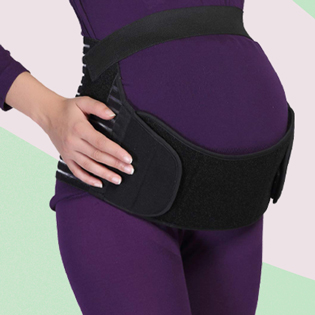
I went into my second pregnancy feeling a little overconfident: no nausea, no major discomfort, and every intention of keeping up my workout routine. I even added tennis lessons, because what’s cuter than a pregnant woman in tennis whites? But those outfits collected dust. By my second trimester, I was dealing with sharp, stabbing pain that bounced between my hips and groin. I bought a standard belly band and tried to power through, assuming it was just my body adjusting or an old injury flaring up. Then one night, I got out of bed, my hips foze, and my legs gave out completely. My husband had to carry me back while I tried not to cry from the pain.
That’s when I decided it was time to see a pelvic floor physical therapist, who clocked the issue immediately. The surge of relaxin (the hormone that loosens your ligaments for birth) was creating instability in my hip and pelvic joints. “And that,” she said, pointing to my belly band, “isn’t helping.”
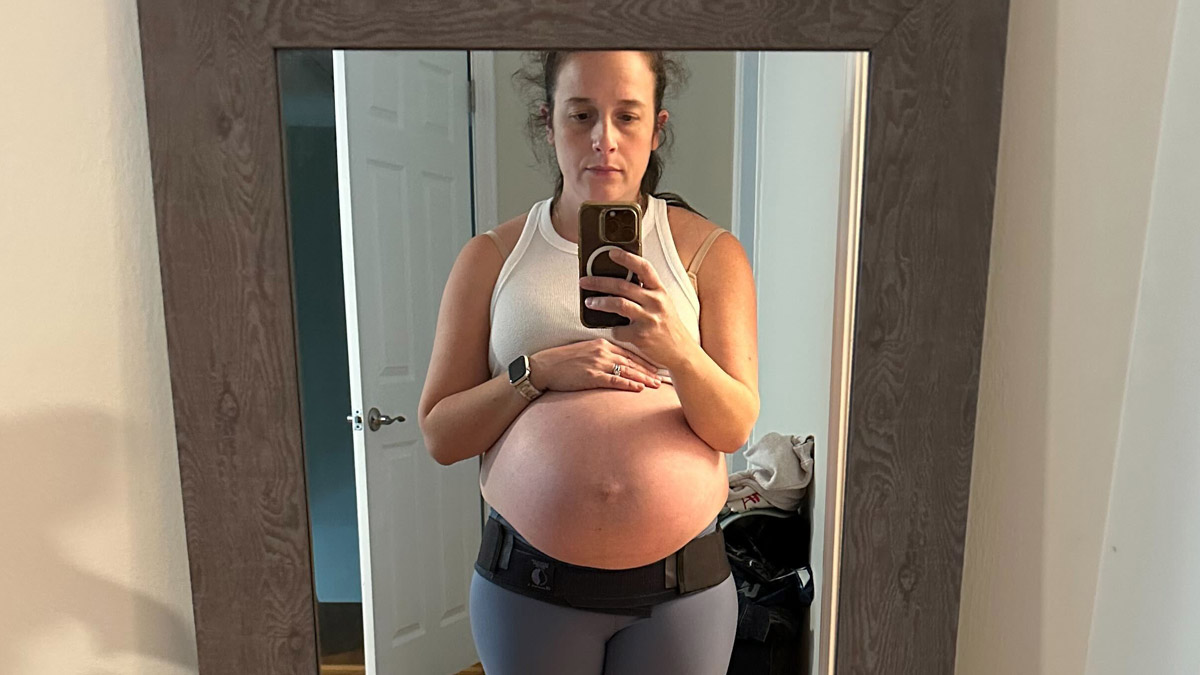
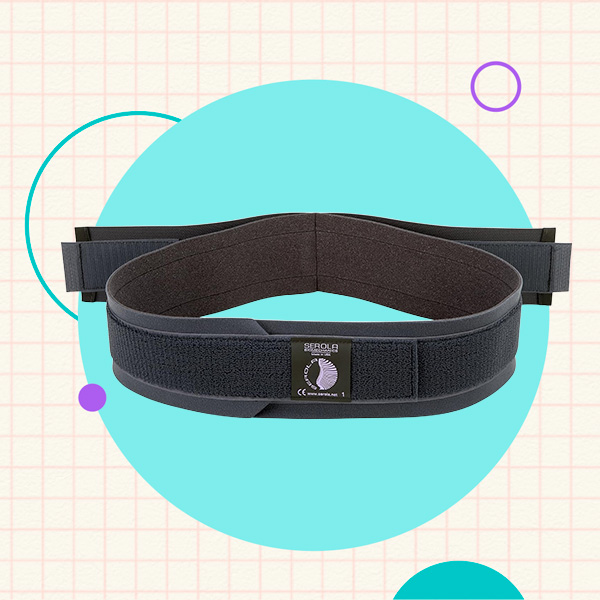
To be clear, belly bands aren’t useless. They’re great for relieving lower back pain and supporting the weight of your bump. But that wasn’t my problem. I didn’t need a lift; I needed stability, specifically support for my sacroiliac (SI) joints. That’s when I was introduced to the Serola Sacroiliac Belt.

Unlike stretchy belly wraps, the Serola Belt is designed to actually stabilize your pelvis. It uses a two-layer system: a base layer to anchor the belt in place, and a top layer that applies targeted pressure to your joints. The tighter the top layer, the more stability you get. It sounds intense, but it doesn’t feel restrictive. It feels like your hips are being held in place, which, it turns out, is exactly what I needed.
Within minutes of putting it on, the sharp, lightning-like pain started to ease. And, over time, paired with stretching and strengthening exercises, I was able to move through the rest of my pregnancy without that same level of instability.

It’s not as thin or discreet as a typical belly band, but that’s the point. I was still able to wear it under looser clothing without it being obvious, and it didn’t trap heat the way I expected. It’s also incredibly durable. I wore it daily through my second and third trimesters and into postpartum, but it still looks brand new.
If you’re dealing with intense pelvic pain during pregnancy, it’s definitely worth seeing a pelvic floor or physical therapist. But, if that’s not immediately accessible, this is one of the few things that can actually help stabilize what’s causing the pain. It’s not the most subtle option, but being able to walk, stand, and get out of bed without pain made that tradeoff an easy one.
 Yes
 No


